
The Lawgicals
Beyond Boundaries, Within the Law
Beyond Boundaries, Within the Law

Personal Injury Law in India allows victims of road traffic accidents, medical negligence, workplace hazards, and public missteps to claim financial compensation. Through the Motor Accidents Claims Tribunal (MACT), Consumer Commissions, and Civil Courts in Delhi NCR, victims can recover medical bills, lost future income, pain and suffering damages, and rehabilitation expenses.
The Lawgicals provides complete assistance in filing Detailed Accident Reports (DAR), pursuing insurance company payouts, challenging lowball settlement offers, and representing families in fatal accident compensation claims.
भारत में पर्सनल इंजरी कानून के तहत सड़क दुर्घटना (Road Accident), डॉक्टर की लापरवाही (Medical Negligence), या काम की जगह पर लगी चोट के पीड़ितों को उचित मुआवजा पाने का कानूनी अधिकार है। दिल्ली-एनसीआर (Delhi NCR) में MACT ट्रिब्यूनल और सिविल कोर्ट के माध्यम से इलाज का खर्च, सैलरी का नुकसान और मानसिक प्रताड़ना का हर्जाना क्लेम किया जा सकता है।
The Lawgicals की टीम एफआईआर (FIR), डिटेल्ड एक्सीडेंट रिपोर्ट (DAR), इंश्योरेंस कंपनी के साथ नेगोशिएशन और कोर्ट में पैरवी करके पीड़ितों को सही मुआवजा दिलवाने में पूरी मदद करती है।
Navigating a major physical injury resulting from a road traffic collision, hospital malpractice, or hazardous workplace setup is a overwhelming experience for victims and their families. Beyond physical recovery, the sudden loss of earning capacity and mounting hospital bills create severe financial distress. In India, Personal Injury Law operates under a dual system of statutory compensation laws, such as the Motor Vehicles Act, and Common Law Law of Torts.
In metropolitan hubs across Delhi, Gurgaon, Noida, and Faridabad, high traffic density and rapid industrial operations lead to frequent negligence disputes. However, many victims fail to receive their rightful financial compensation because they are unaware of strict statutory timelines, tribunal procedures, or how to properly counter low settlement offers from insurance companies. Engaging an experienced civil litigation legal team in Delhi NCR ensures that your financial recovery is evaluated accurately and pursued aggressively across the appropriate legal forums.
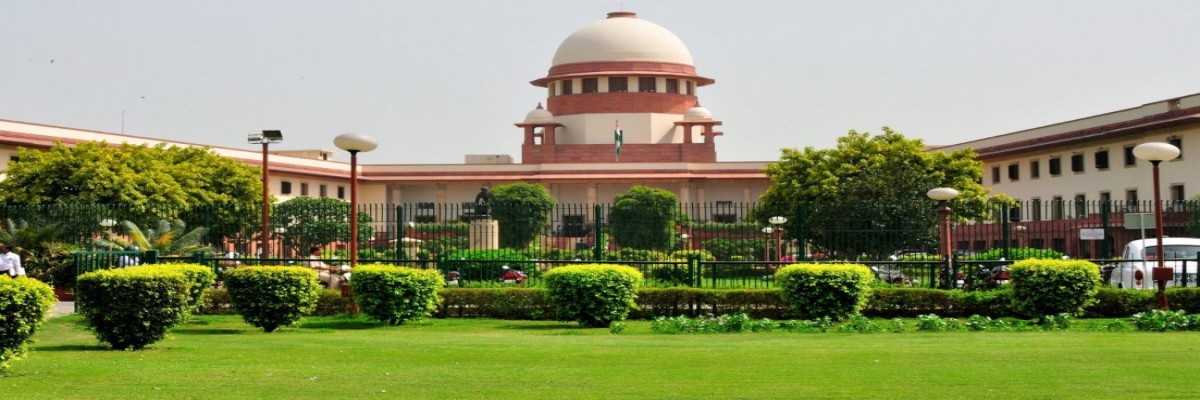
Personal Injury Law in India revolves around establishing the principle of negligence—proving that a party owed you a legal duty of care, breached that duty through action or inaction, and caused direct physical, monetary, or emotional harm. Unlike Western legal jurisdictions where personal injury cases are primarily jury-driven, Indian courts utilize tribunal frameworks and structured mathematical models to assess damages.
The compensation framework covers both pecuniary damages (measurable financial losses such as past and future medical bills, lost wages, and home modification costs) and non-pecuniary damages (pain, mental agony, loss of amenities, and reduced life expectancy). The Commercial and Civil Courts in Delhi, along with specialized tribunals, evaluate these factors systematically to ensure the victim is restored, as closely as money can achieve, to their pre-accident financial standing.
Personal injury cases fall under different specialized statutory forums depending on where and how the incident occurred:
Accident victims and their families routinely encounter major systemic and legal obstacles during the recovery and compensation process:
1. Delayed Filing of Detailed Accident Reports (DAR)
Local police stations often delay submitting the statutory Detailed Accident Report (DAR) to the MACT tribunal. Without a comprehensive DAR containing vehicle registration details, driver insurance coverage, and site plans, the compensation process stalls right at the beginning.
2. Insurance Companies Offering Unfair Lowball Settlements
Insurance adjusters often take advantage of a family's immediate financial stress by offering quick, lump-sum cash settlements that cover only immediate hospital bills. These initial offers usually ignore long-term disability, future income loss, and ongoing rehabilitation costs.
3. Severe Medical Negligence and "Conspiracy of Silence"
In medical malpractice disputes, victims struggle to secure objective expert medical testimony from independent doctors. Medical boards controlled by state authorities frequently issue delayed or evasive reports, making it difficult for victims to prove medical fault without strong legal representation.
4. Calculating Disability Percentages for Non-Salaried & Self-Employed Victims
Proving future income loss for self-employed individuals, freelancers, daily wage earners, or homemakers is often challenged by insurance lawyers. Establishing a baseline income without traditional salary slips requires presenting tax returns, bank statements, and vocational testimony.
The jurisprudence surrounding personal injury and accident compensation in India has been established through key Supreme Court rulings:
Handling personal injury claims in Delhi NCR involves navigating real-world courtroom procedural challenges:
The most significant operational challenge is the mandatory 6-month limitation period introduced by the Motor Vehicles (Amendment) Act, 2019. Prior to this amendment, there was no fixed time limit for filing MACT claims, allowing victims time to heal before pursuing legal action. Now, missing this 6-month window from the date of the accident can completely bar a victim's financial recovery, making immediate legal filing necessary.
Another major obstacle is managing cross-jurisdictional insurance disputes. Accidents occurring on expressways between Gurgaon, Delhi, and Noida frequently involve vehicles registered in different states and insurance policies issued elsewhere. Determining whether to file the claim where the accident happened, where the claimant resides, or where the vehicle owner lives requires careful legal planning to avoid jurisdictional delays.
Adv. Ravi Shankar Dwivedi
🌐 www.thelawgicals.co.in
📧 ravidwivedi@thelawgicals.co.in
📞 9084311136