
The Lawgicals
Beyond Boundaries, Within the Law
Beyond Boundaries, Within the Law

Planning your estate in India helps protect your hard-earned property, stops bitter family arguments, and ensures your assets go to the right people. Governed by the Indian Succession Act 1925 and Hindu Succession Act 1956, you can organize your assets using Wills, Private Family Trusts, Gift Deeds, or Power of Attorney documents.
The Lawgicals assists clients across Delhi NCR with writing clear Wills, registering them with Sub-Registrars, filing Probate petitions in court, setting up family trusts, and settling property partition cases.
भारत में एस्टेट प्लानिंग (Estate Planning) आपकी संपत्ति की सुरक्षा और आने वाली पीढ़ियों में संपत्ति के बिना विवाद विभाजन के लिए बेहद जरूरी है। भारतीय उत्तराधिकार अधिनियम (Indian Succession Act, 1925) के तहत वसीयत (Will Drafting), प्राइवेट फैमिली ट्रस्ट (Family Trust), और गिफ्ट डीड (Gift Deed) के जरिए अपनी चल-अचल संपत्ति का कानूनी ढांचा तैयार किया जा सकता है।
The Lawgicals दिल्ली-एनसीआर में वसीयत लिखने, सब-रजिस्ट्रार ऑफिस में रजिस्ट्रेशन, प्रोबेट (Probate) हासिल करने और संपत्ति बंटवारे से जुड़े पारिवारिक विवादों को निपटाने में पूरी कानूनी सहायता प्रदान करता है।
Most people don't think about estate planning until something goes wrong. A sudden illness or an unexpected family conflict usually forces the conversation. But by then, bank accounts might get locked, property titles stay stuck in joint names, and family members end up fighting in court for years. Taking time to sort out your assets while everything is calm saves your family from emotional and financial stress later on.
Property values in Delhi, Gurgaon, Noida, and Faridabad are high. When a person dies without making a Will (known as dying intestate), getting property transferred is rarely easy. Relatives have to apply for Succession Certificates, get NOCs from every legal heir, or file court cases just to update names on land records. Working alongside our civil litigation lawyers in Delhi NCR ensures your paperwork holds up in court and actually works when your family needs it most.
Estate rules in India depend on your religion as well as personal law statutes. If you are Hindu, Sikh, Jain, or Buddhist, the Hindu Succession Act 1956 determines who gets what when there is no Will. For testamentary choices (making a Will), the Indian Succession Act 1925 applies across most communities. Muslim succession follows uncodified personal law, where you can generally gift away only one-third of your net properties through a Will unless other legal heirs agree.
Estate planning is more than writing a simple sentence on paper. Depending on what you own and how your family is structured, you might use a combination of Wills, Private Family Trusts, Gift Deeds, and Powers of Attorney. A well-thought-out plan shields your estate from false claims, simplifies tax handling, and makes sure dependent children or elderly family members are looked after.
Every family situation is unique, so choosing the right legal path depends on your exact goals:
Badly drafted documents or informal promises cause serious courtroom battles down the line. Here are the issues we see most often in practice:
1. Using Vague Language in DIY or Online Template Wills
When people write Wills without legal advice, they often leave out plot numbers, forget bank account details, or use unclear terms about who gets what share. These vague descriptions give disgruntled relatives room to file partition lawsuits in civil court.
2. Picking the Wrong Attesting Witnesses
A Will must be witnessed by two people who saw you sign it. If your witnesses are very old, pass away before you, or turn out to be beneficiaries named in the Will, proving the document in court becomes a major legal headache.
3. Claims of Coercion or Poor Mental Health
Relatives left out of a Will almost always claim the deceased was senile, unwell, or forced into signing by someone else. Attaching a simple medical fitness certificate from a qualified doctor on the day the Will is signed solves this problem before it starts.
4. Mixing Up Ancestral and Self-Acquired Properties
You can only leave properties you bought yourself (or your distinct share in ancestral land) through a Will. Trying to gift or pass on an entire ancestral property that belongs jointly to a coparcenary family triggers immediate legal challenges from other family members.
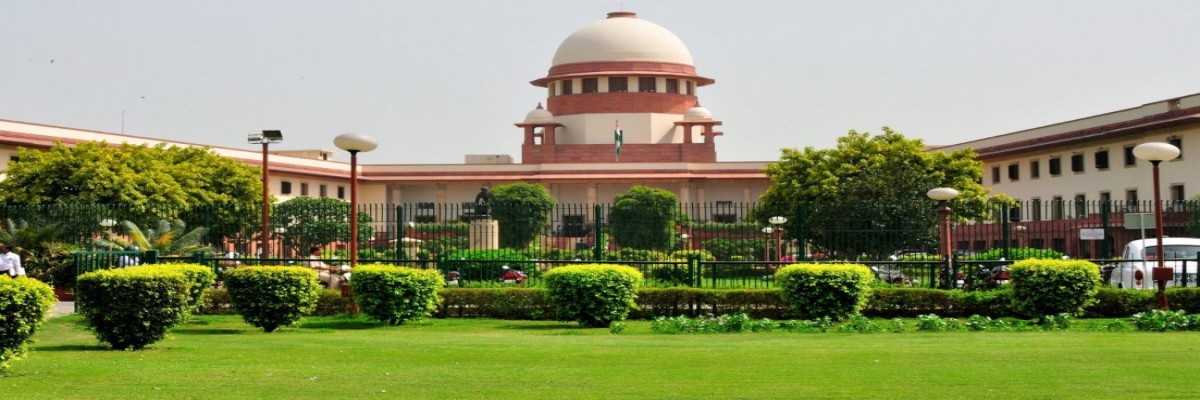
Indian courts follow clear rules set by the Supreme Court when deciding whether a Will is valid:
Navigating real estate transfers in Delhi NCR involves dealing with strict court rules and bureaucratic steps.
Government offices (like MCD, DDA, or GMDA) and major banks regularly refuse to transfer ownership or release funds until you bring a Probate order or Letters of Administration from court. Getting a Probate means filing a petition with the District Judge or High Court, paying court fees, placing public notices in newspapers, and waiting for replies from every legal heir.
If someone objects, a probate case can take years to resolve. That is why planning early—using registered Gift Deeds, clean joint ownerships, or Private Family Trusts—helps your family skip these long court delays entirely.
Adv. Ravi Shankar Dwivedi
🌐 www.thelawgicals.co.in
📧 ravidwivedi@thelawgicals.co.in
📞 9084311136